
Teachers’ deployment for non-teaching work flagged by Orissa HC; affidavit sought from Odisha govt
Aatif Ammad | January 5, 2026 | 12:45 PM IST | 2 mins read
Hearing a PIL, Orissa High Court cites Section 27 of the RTE Act, suggests CRCC duties be done after school hours or holidays to avoid disrupting classes
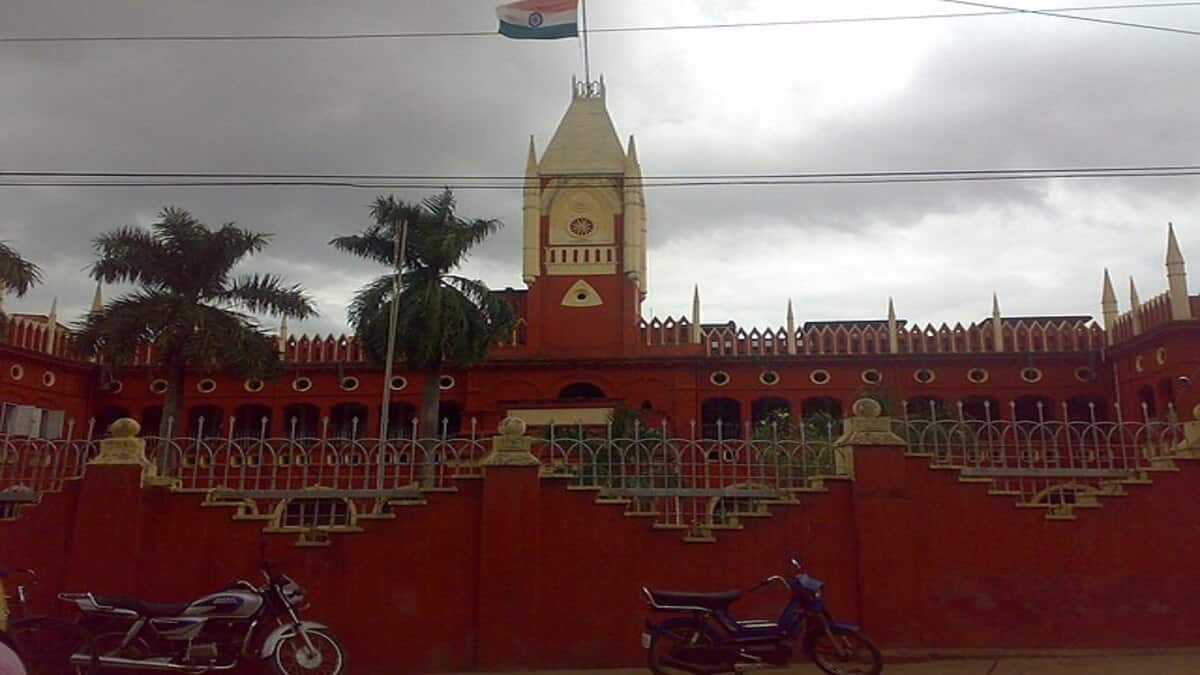
The Orissa High Court has raised serious concerns over the practice of assigning teachers non-teaching duties, observing that such arrangements cannot come at the cost of students’ right to education.
The court made the remarks while hearing a public interest litigation in late December, highlighting systemic issues affecting schools across Odisha, The Times of India reported.
The PIL was filed by Bijaya Ram Das, a local organisation secretary, through advocate Anup Kumar Mohapatra.
The petition cited an upper primary school in Cuttack district with 112 students being managed by only three teachers, including the headmaster, due to frequent deployment of teachers as cluster resource centre coordinators (CRCCs).
A division bench of Chief Justice Harish Tandon and Justice M.S. Raman noted that teachers are often required to spend nearly half the month on CRCC duties, disrupting regular classroom teaching.
The bench said such deployments are not isolated incidents but a recurring practice across the state, affecting the overall learning environment in government schools.
Violate RTE Act: Orissa HC
Referring to Section 27 of the Right of Children to Free and Compulsory Education Act, 2009, the court said teachers cannot be assigned non-educational work except in limited circumstances permitted by law.
While the state argued that CRCC duties aim to improve education quality, the court said such initiatives cannot undermine classroom teaching and suggested such work be conducted after school hours or during holidays, as envisaged by legislators.
The court directed the Odisha government to file an affidavit detailing CRCC numbers, working hours, teacher participation and related executive instructions.
The matter will be heard next on January 13, with the court indicating that broader directions may follow based on the state’s response.
Incidentally, the non-teaching work engaging thousands of teachers across multiple states is linked to the election commission of India’s Special Intensive Revision (SIR) of electoral rolls.
In states like West Bengal, Maharashtra, Rajasthan, Tamil Nadu and others primary and secondary school teachers deployed as booth-level officers say the exercise has forced them to abandon classrooms for long hours of door-to-door verification, form filling and data uploads amid tight deadlines and glitchy apps.
 Add as a preferred source on google
Follow us for the latest education news on colleges and universities, admission, courses, exams, research, education policies, study abroad and more..
To get in touch, write to us at news@careers360.com.
Next Story
]Latest Education News
]Related News
]OAV Result 2026 LIVE: Odisha board Adarsha Vidyalaya results today for Classes 6 to 9; direct link
AISSEE 2026 answer key, response sheet out at exams.nta.nic.in; challenge by February 14
Maharashtra Board 2026 HSC Exams LIVE: Class 12 English paper ends; passing marks, exam analysis, guidelines


