
Teacher recruitment to scholarships – what SC wants universities to do for suicide prevention
Azib Ahmed | January 16, 2026 | 06:37 PM IST | 6 mins read
The Supreme Court says higher education institutions ‘cannot shirk away’ from responsibility, even for students of online courses. Order based on NTF mental health report
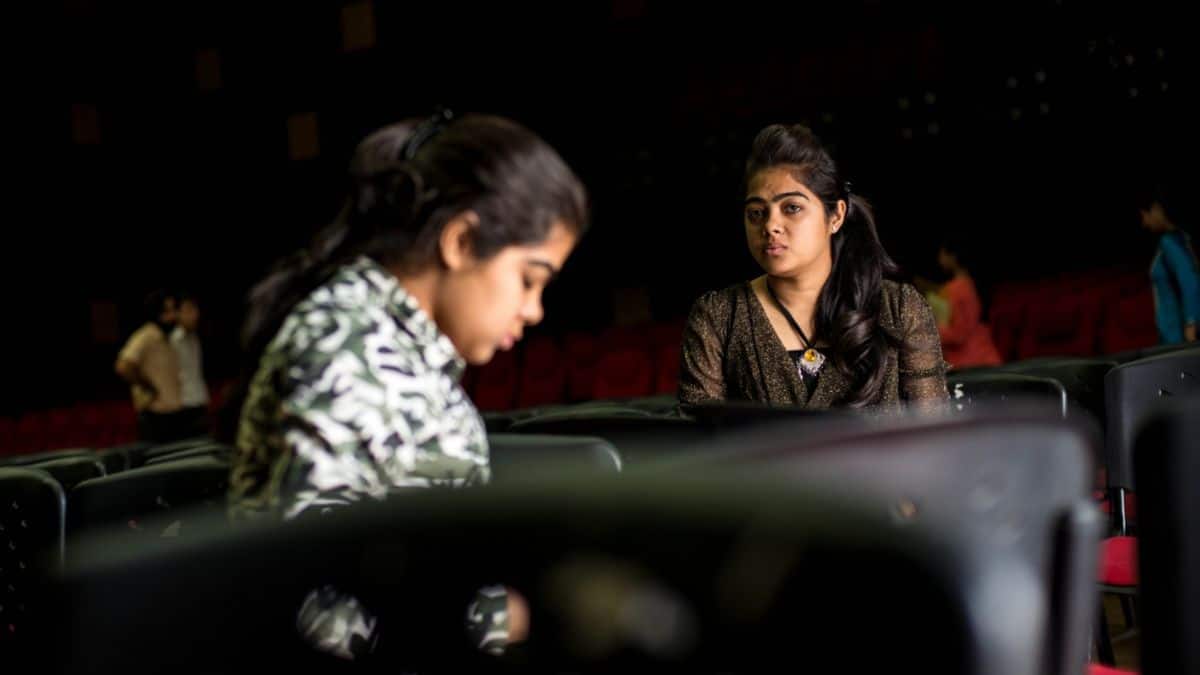
Higher education institutions cannot evict students from hostels, bar them from exams or remove them from academic programmes if their scholarships are not disbursed on time. They have to report all unnatural deaths to the police, even if they occur outside of campus, and regardless of the mode of study. Even students of online programmes are covered.
These are among a set of directions the Supreme Court issued on Thursday, making institutions responsible for taking steps to prevent suicides. "Irrespective of upon whom the culpability may lie from a strict penal perspective, all that we are trying to convey is that HEIs cannot shirk away from their fundamental duty to ensure that their institutions as a whole are safe, equitable, inclusive and conducive spaces of learning," the bench of Justice JB Pardiwala and Justice R Mahadevan said in their order.
The SC’s directions are based on the findings and interim report of a National Task Force established by the top court last March to look into the issue of mental health and well-being of students. As the order noted,
NTF mental health’s interim report
The NTF’s probe revealed that about 65% of institutions surveyed had no access to mental health professionals, and nearly three-quarters had no full-time counsellors.
Even where services existed, students were hesitant to use them because of stigma, lack of awareness, fears about confidentiality, possible academic consequences, and mistrust of university authorities. Fewer than one in five institutions had formal ties with external mental health providers.
Bodies meant to prevent harassment, promote equity and inclusivity – often mandated by laws – exist but as the Supreme Court’s order says, are ineffectual.
"One might argue that aforesaid support systems, all predominantly exist in most HEIs, in some form or the other. However, such an averment would be visibly distant from the truth as the work of the NTF has itself revealed that they either only exist on paper, or not at all; even when they exist in actuality, they are merely tokenistic," says the order.
Students of Indian Institute of Technology (IIT) Delhi would agree. Deaths by suicide of two students at the campus were partly what led to the present case.
The NTF’s survey found that inequality remains deeply entrenched on campuses. Students from historically-marginalised communities – Scheduled Castes, Scheduled Tribes, Other Backward Classes – as well as minorities, persons with disabilities, transgender students, women, first-generation learners, those rural areas, and non-English-speaking backgrounds reported facing discrimination, isolation, and lack of support. Ragging, the NTF found, continues across many institutions.
Academic pressure emerged as a major source of stress. Students pointed to strict attendance rules, heavy and poorly-structured courses, unclear evaluation systems, faculty shortages, reliance on guest teachers, and intense competition linked to placements. Medical students spoke of exploitative academic cultures and long working hours, while research scholars flagged burnout, financial insecurity, weak supervision, and lack of facilities.
Financial stress was another recurring issue. Students reported delays in scholarship payments, uncertainty over fees and hostel charges, and university practices that penalised them for administrative delays beyond their control.
The SC criticised HEIs for their reluctance to respond to the NTF survey. “We are deeply disappointed with the apathetic attitude of most HEIs, which serve as a reminder of the deep-rooted complexities and formidable barriers that hinder the implementation of any national-level initiative aimed at strengthening student mental health support systems within HEIs,” the bench said.
‘Institutional responsibility’ for student mental health
The SC also criticised the institutions’ handling suicide deaths once they occur. The bench noted the “heightened tendency to ascribe a larger role to the individual autonomy of the deceased and remove any direct or even incidental institutional responsibility. In other words, there exists a predisposition to “shift the blame” and individualise the incident i.e., to attribute individual-specific reasons and personal short-comings as the closely-related cause. There is hardly any introspection into the, institutionally normalised ‘stressors’ which may have had any contributory effect.”
In line with this stance, the bench’s directions relate to systemic problems – teacher vacancies, bodies that exist on paper but not in practice, delays in scholarships and punitive action taken against students, academic pressure, lack of support for historically-marginalised communities and more.
SC order on student suicides
The SC’s directions cover a wide range of issues related to suicides, their prevention and reporting.
Also read With few Dalit, Adivasi teachers, IITs, IIMs lack 'environment of empathy': AIOBCSA president
Given below are the key directions:
- Suicide data for the 15–29 age group should be centrally maintained to ensure accurate estimates of student deaths in higher education institutions.
- The National Crime Records Bureau (NCRB) has been instructed to report suicides of school students and those in higher education separately in its annual report. The 2023 report showed that over 13,000 students died by suicide in one year.
- All universities must immediately report any student suicide or unnatural death to the police, regardless of where it occurs or the mode of study – classroom, distance, online.
- Universities must also submit annual reports on student suicides and unnatural deaths to the University Grants Commission, which published its own mental health guidelines earlier this week, and all relevant regulatory bodies. The universities which do not come under these bodies, must report to the central government’s Department of Higher Education.
- All residential universities must ensure 24×7 access to qualified medical care, either on campus or within a one-kilometre radius.
- All universities must fill vacant teaching and non-teaching posts within four months, prioritising reserved positions for marginalised groups and persons with disabilities. The bench included in its list of “support systems” that could help students “proportionate representation of marginalised groups in faculty and other positions of administrative authority within HEIs which attempt to close the educator-student mismatch and create a more inclusive and supportive learning environment”.
- Universities must fill vice-chancellor, registrar, and other key administrative posts within four months and ideally within one month of a vacancy. Universities must report annually to governments on vacancies, especially in reserved posts.
- All pending scholarship payments must be cleared within four months, and students cannot be penalised academically or otherwise for delays caused by the government. “No student should be prevented from appearing in an examination, removed from hostels, barred from attending classes, or have their marksheets and degrees withheld because of delays in disbursal of scholarships. Any such institutional policy, may be viewed strictly,” the order said.
- Institutions must strictly comply with UGC regulations on ragging, discrimination, sexual harassment, and student grievances, including setting up and properly functioning mandated committees and redressal mechanisms.
The bench also stated that the union and state governments should make sure that these directions are communicated to all HEIs all over the country.
If you know someone – friend or family member – at risk of suicide, please reach out to them. Those in distress or having suicidal thoughts or tendencies could seek help and counselling by calling 9820466726 or visiting AASRA’s official website or can call iCALL on 9152987821. Here are some more helpline numbers of suicide prevention organisations that can offer emotional support to individuals and families.
 Add as a preferred source on google
Follow us for the latest education news on colleges and universities, admission, courses, exams, research, education policies, study abroad and more..
To get in touch, write to us at news@careers360.com.
Next Story
]Latest Education News
]Related News
]MCC NEET Counselling 2026 LIVE: Registration for MBBS, BDS AIQ quota seats at mcc.nic.in from tomorrow
Maharashtra Private Medical College Fee Revision: SMBT MBBS fee cut by Rs 81,500, others see hikes
Tamil Nadu CM unveils Rs 274.46 crore higher education infrastructure projects


